When a storm tears through Florida, the damage to your home is only the first battle. The second — getting your insurance company to pay what your policy actually owes — is often the harder one. Understanding how the claim process really works puts you in a far stronger position to recover a fair settlement.
Document everything before you touch a thing
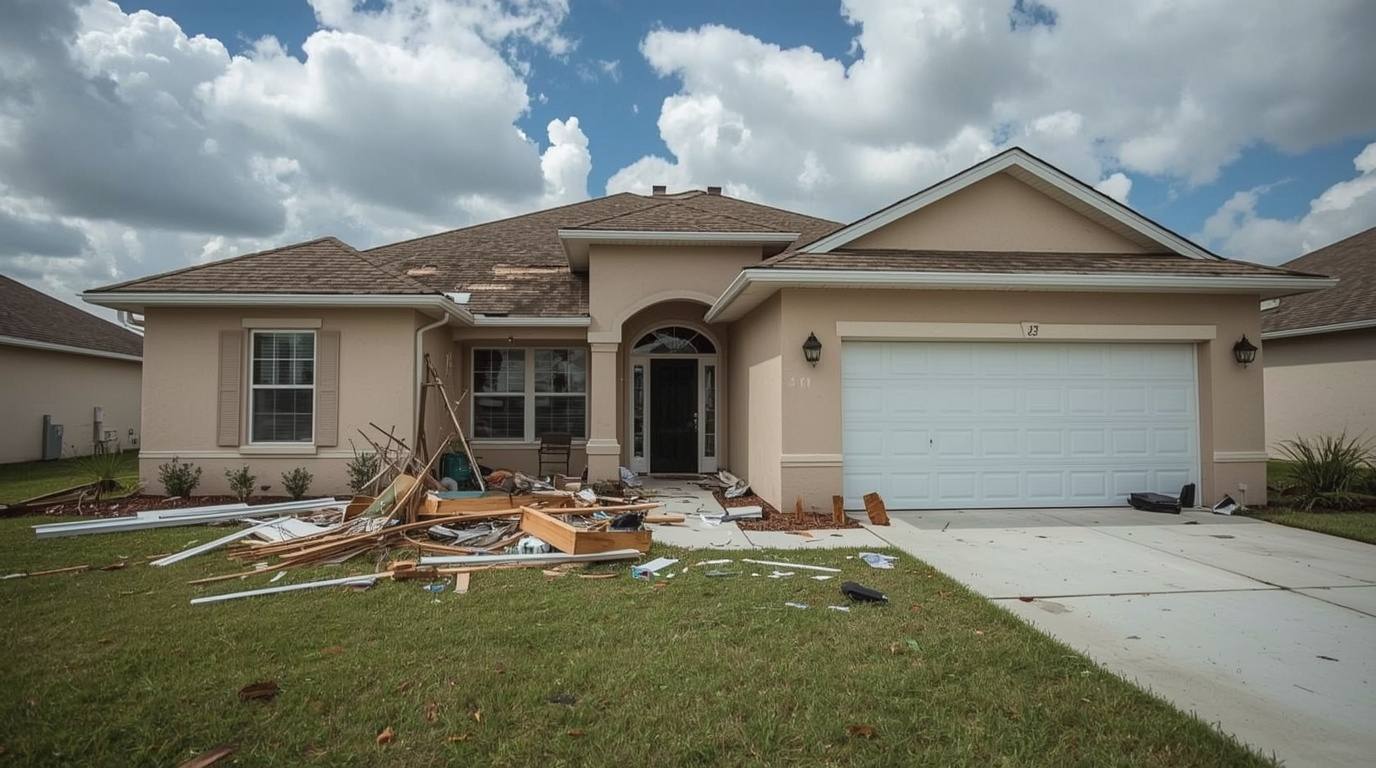
The single biggest factor in a successful storm claim is documentation. Before you remove debris or start temporary repairs, photograph and video every room, every exterior wall, the roof, and any damaged contents. Capture wide shots and close-ups. Keep damaged items until your claim is documented, and save receipts for anything you buy to prevent further damage — tarps, plywood, water extraction, a hotel stay. Insurers reduce or deny claims constantly for "insufficient documentation," and once you've cleaned up, that evidence is gone for good.
Report the claim promptly — but carefully
Florida law and most policies require you to report storm damage in a timely manner, so don't wait. When you call, stick to the facts: what happened, when, and the general scope. Avoid speculating about cause or cost on that first call — early guesses can be used to anchor your claim low. Get your claim number and the name of every adjuster you speak with.
Know your hurricane deductible
Florida policies usually carry a separate hurricane or named-storm deductible that is a percentage of your dwelling coverage — often 2% to 5% — not a flat dollar amount. On a $400,000 home, a 2% deductible is $8,000 out of pocket before the insurer pays a cent. Knowing this number before you negotiate keeps you from accepting an offer that barely clears your deductible.
Watch for the lowball first offer
The adjuster the insurance company sends works for the insurer, and their estimate frequently misses hidden damage: water intrusion behind walls, compromised roof decking, code-required upgrades, and matching costs for tile or siding that's no longer made. A fast, low first offer is a negotiating position — not the final word.
When to bring in a public adjuster
A public adjuster represents you, not the carrier. We re-inspect the property, document the full scope of loss, prepare the claim correctly, and negotiate directly with the insurer. Many Florida homeowners recover significantly more than the carrier's first offer — and because public adjusters typically work on contingency, there's no fee unless you recover money.
FAQs
How long do I have to file a storm claim in Florida?
Deadlines vary by policy and current law, but you should report as soon as it is safe. Waiting gives the insurer a reason to question whether the damage came from the storm.
Should I accept the insurance company's first offer?
Not before it's reviewed. First offers often fall well short of the true repair cost. A public adjuster can tell you what your claim is really worth.
Can a denied or underpaid storm claim be reopened?
Often, yes. Many of the largest recoveries start as a denial or a lowball offer that's later documented and renegotiated.