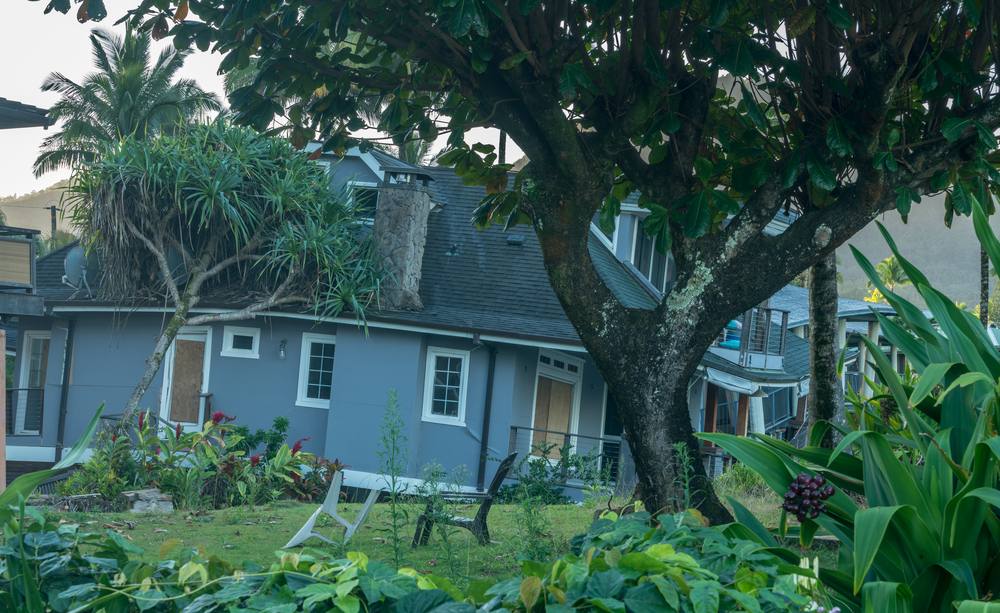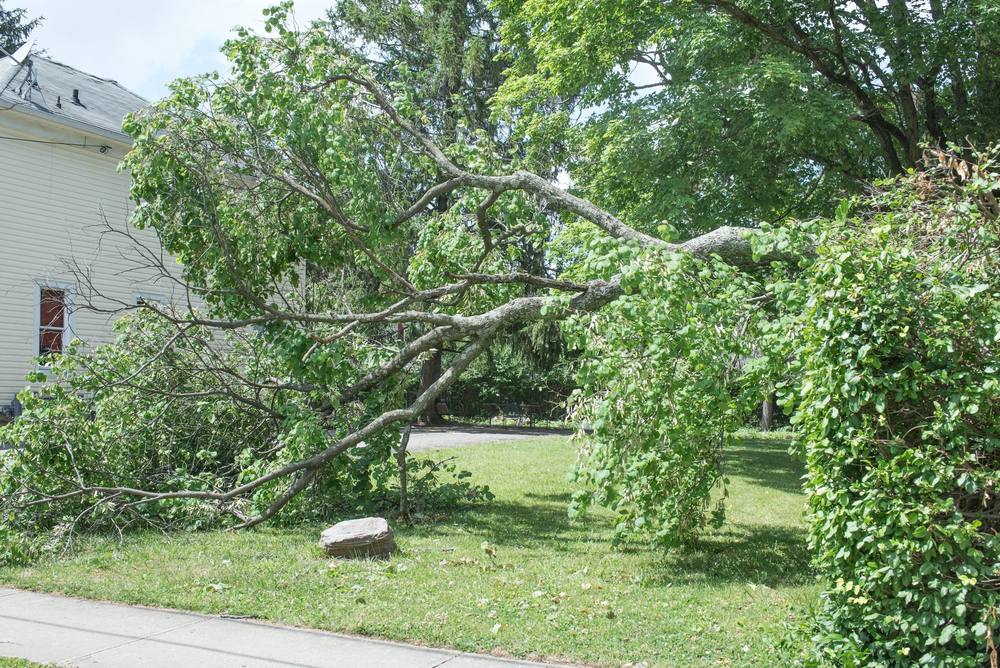

Hurricane season runs June through November in Florida, and the work you do before a storm does double duty: it protects your property, and it dramatically strengthens any insurance claim you may need to file afterward. The homeowners who recover the most aren't necessarily the ones with the best policies — they're the ones who prepared the best evidence. Here's how to get ready.
Create a home inventory now
The most valuable thing you can do is build a pre-loss record while everything is intact. Walk every room with your phone and photograph (or video) the contents, valuables, appliances, and finishes. Get clear shots of the roof, exterior walls, windows, soffits, and screen enclosure. Note makes, models, and approximate ages of major items. After a storm, this "before" record is the single strongest tool for proving what existed and what condition it was in — and it shuts down "wear and tear" arguments fast.
Review your policy and deductibles before the storm
Don't read your policy for the first time the day after a hurricane. Know your dwelling and contents limits, your exclusions, and especially your hurricane/named-storm deductible — usually a percentage of dwelling coverage, not a flat amount. Confirm whether you carry flood coverage (standard homeowners policies exclude flood) and whether you have ordinance-or-law coverage for code upgrades. If there are gaps, address them before the season — most carriers freeze new coverage once a storm is named.
Protect the property physically
Install or test shutters and impact protection, clear gutters and drains, trim trees away from the roof, secure or store loose outdoor items, and know where your water shutoff is. These steps reduce damage — and a home that was clearly maintained is harder for an insurer to blame for "neglect."
Keep your records accessible
Store your policy, your home inventory, photos, and key contacts in the cloud (email them to yourself or use a cloud drive) so you can reach them even if you evacuate or lose power. Keep your insurer's claim phone number and your agent's contact saved on your phone.
Right after the storm: document, mitigate, report
Once it's safe, photograph all damage before cleanup, make temporary repairs to prevent further loss (and save receipts), then report the claim promptly. Resist the urge to discard damaged items or start permanent repairs before the loss is documented. Your pre-storm inventory plus thorough post-storm photos make a powerful before-and-after case.
How People Claims helps
Even with great preparation, the claim itself can be a fight. People Claims uses your documentation (and adds our own inspection) to build a fully supported claim, captures hidden damage the carrier misses, and negotiates the maximum settlement. We work on contingency — no recovery, no fee — and we also re-open underpaid storm claims from past seasons.
FAQs
What documents do I need for a hurricane claim?
Your policy, a pre-loss home inventory, and dated before-and-after photos are the core. Receipts for emergency repairs and lodging help too.
Should I prepare even if I already have good coverage?
Yes. Coverage only pays what you can prove — good documentation is what turns a policy into a fully-paid claim.
Can I still buy or change coverage right before a storm?
Usually not. Carriers typically suspend new coverage and changes once a storm enters the area, so handle it early in the season.