The roof is your home's first line of defense against Florida weather — and roof claims are among the most frequently disputed in the state. Insurers know a new roof is expensive, so they look hard for reasons to pay less or deny outright. Knowing how these claims work helps you document storm-related roof damage and get it covered properly.
Proving storm causation is everything
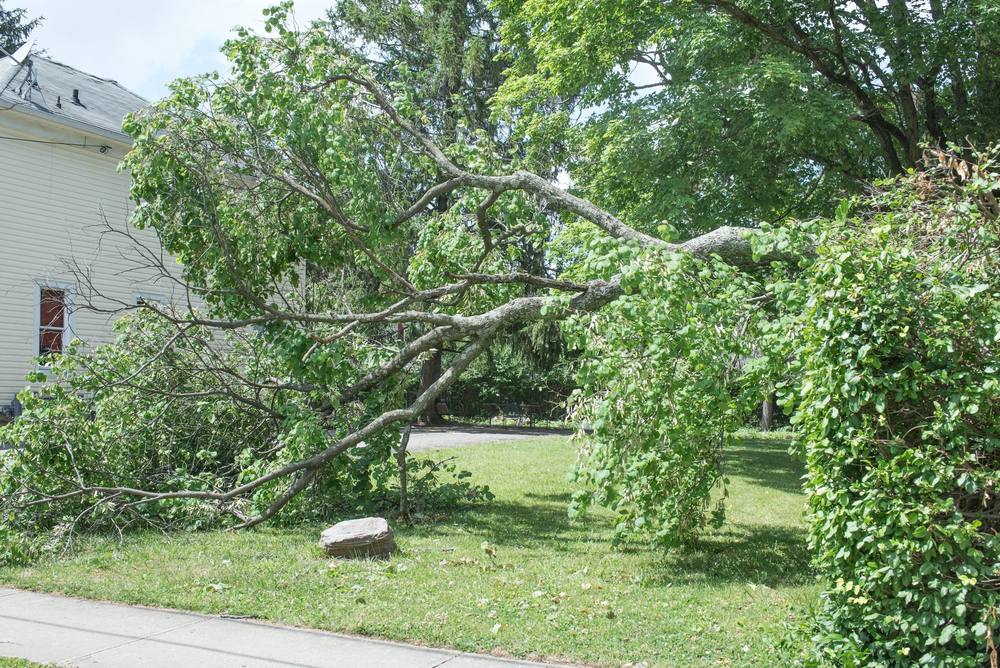
The number one tactic insurers use on roof claims is blaming "age and wear" instead of the storm. To win, you have to prove the damage came from a covered event. That means dated photographs (before-and-after if you have them), weather and wind-speed records for the date of loss, and a professional roof inspection that distinguishes storm damage — lifted or creased shingles, cracked tiles, displaced underlayment, granule loss patterns — from normal aging. Solid causation evidence is what turns a denial into a paid claim.
Don't stop at the roof itself
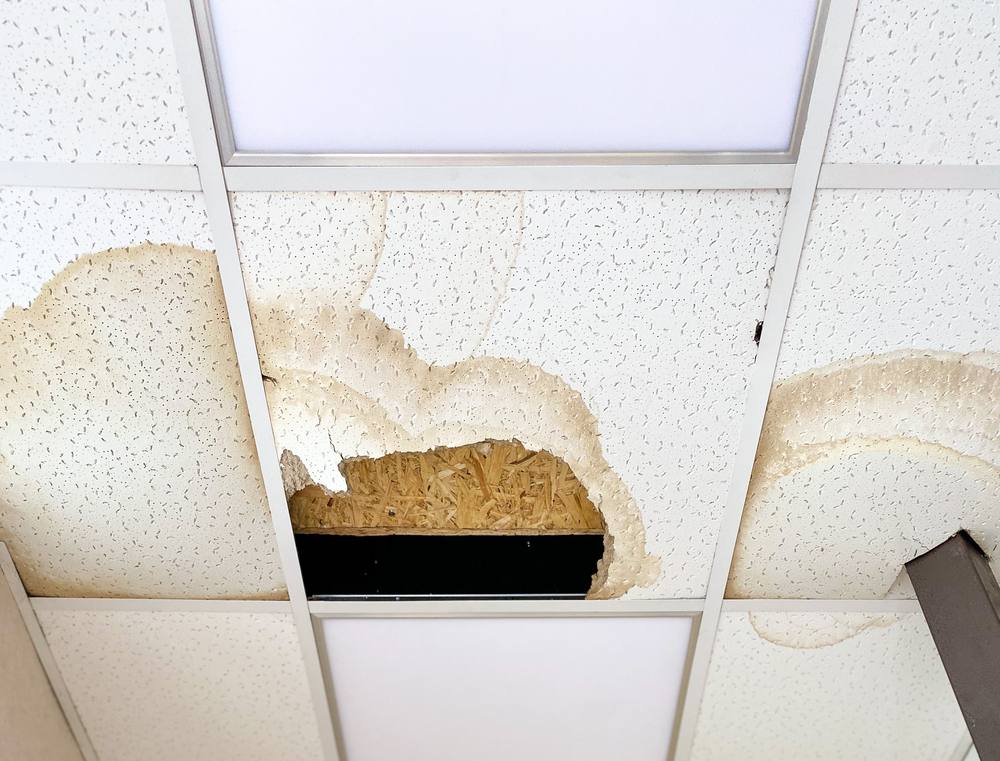
A compromised roof rarely damages only the roof. Once water gets in, it ruins ceilings, insulation, drywall, flooring, and contents below. All of that secondary damage belongs in the claim. Homeowners who claim only the visible roof damage leave significant money on the table.
The deductible and "matching" issues
Two things dramatically affect what you're owed. First, your hurricane or named-storm deductible is usually a percentage of dwelling coverage, so know that number before you accept any offer. Second is matching: when damaged tile or shingles are no longer manufactured or can't be matched to the undamaged sections, Florida law and many policies require coverage for a uniform appearance — which can mean replacing far more of the roof than just the damaged slope.
Partial repair vs. full replacement
Insurers love partial repairs; homeowners often need full replacement. Whether you're owed a full roof depends on the extent of damage, your policy terms, and local building code. Florida's "25% rule" historically required that if more than a quarter of a roof is damaged or repaired within a year, the whole roof section be brought up to current code — though code details evolve, so the current rules should always be checked. These partial-vs-full disputes are common and very much worth challenging.
Watch for code-upgrade coverage
When a roof is rebuilt, current Florida codes (secondary water barriers, improved fastening, wind ratings) often cost more than the old construction. Ordinance-or-law coverage in your policy is meant to pay for those mandatory upgrades — but it's frequently omitted from the insurer's first estimate.
How People Claims helps with roof claims
People Claims documents storm causation, captures the full interior and contents damage, applies matching and code-upgrade coverage, and challenges partial-repair offers. We also re-open underpaid and denied roof claims. We work on contingency — no recovery, no fee.
FAQs
Will insurance pay for a full roof replacement?
It depends on the extent of damage, your policy, and local code. Partial-vs-full disputes are common and worth challenging with proper documentation.
My roof claim was underpaid — now what?
An underpaid roof claim can often be supplemented or reopened with stronger causation evidence and a detailed estimate.
The insurer says my roof damage is just old age. Can I fight that?
Yes. A professional inspection plus weather data can establish storm causation and rebut a wear-and-tear denial.