A house fire is one of the most overwhelming losses a Florida family can face — and the insurance claim that follows is more complicated than most homeowners expect. A fire claim is never just about the walls that burned. Knowing what belongs in the claim, and how to prove it, is the difference between a settlement that rebuilds your life and one that falls short.
A fire claim is far more than the burn
Every fire claim has several distinct parts, and insurers often pay the obvious ones while quietly leaving out the rest:
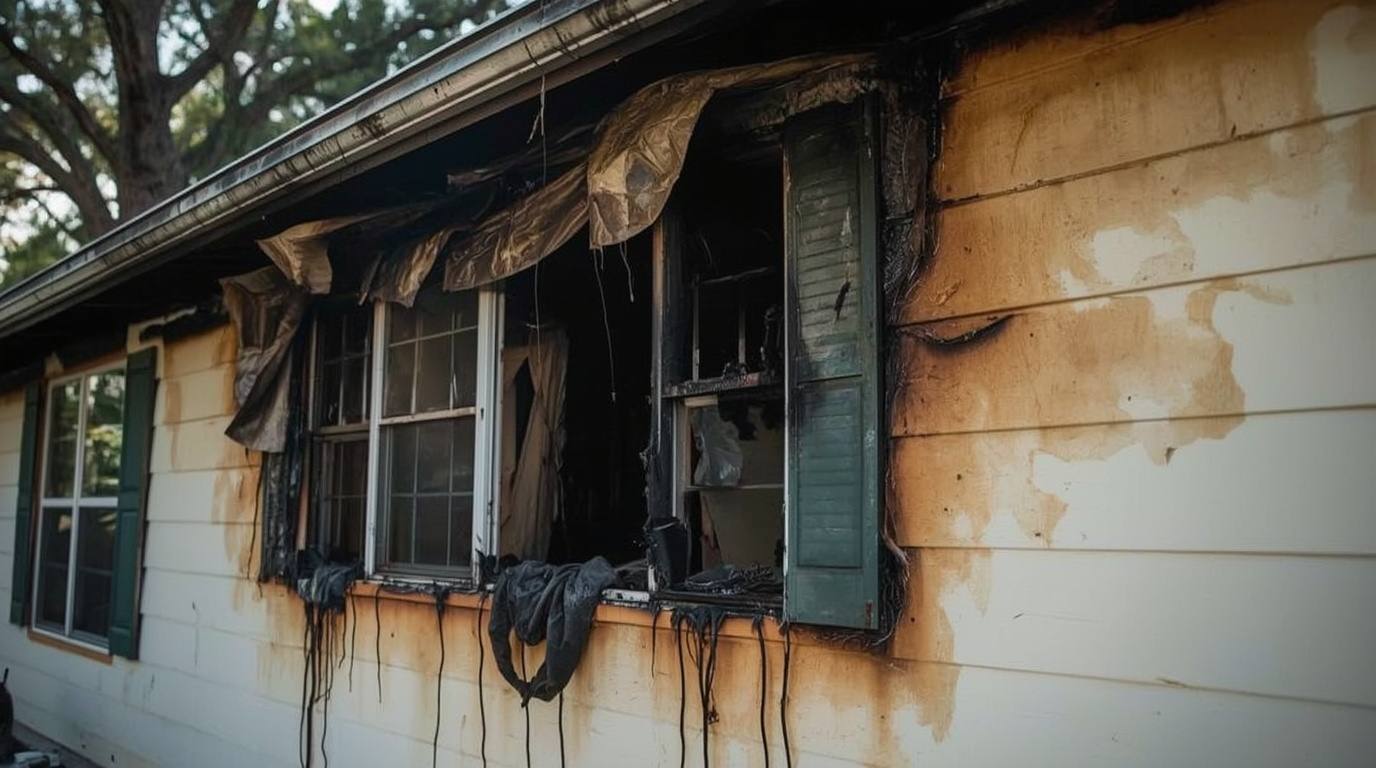
- Structure — not only the charred areas, but smoke, soot, and water damage from firefighting that spread well beyond the flames.
- Contents — furniture, clothing, electronics, and personal belongings, valued properly with a detailed inventory.
- Additional Living Expenses (ALE) — hotel, meals, and other costs while you can't live in the home. This is one of the most under-claimed benefits in Florida policies.
Smoke and soot travel everywhere
Smoke and soot infiltrate HVAC systems, ductwork, insulation, and fabrics throughout the house, often in rooms far from the fire. These losses are easy to undervalue because they're not visible in a quick walkthrough. Proper remediation — and proper documentation of it — is essential to a full recovery.
Build the contents inventory carefully
Carriers expect a room-by-room inventory of damaged belongings with descriptions, ages, and replacement values. Most homeowners under-list because they're working from memory during a traumatic time. Photos from before the fire, receipts, and a methodical inventory dramatically increase what you recover.
Don't accept a structural estimate at face value
The insurer's estimate may rely on the lowest material and labor costs and skip code-required upgrades that Florida building codes now mandate during a rebuild. A documented, line-by-line scope keeps the settlement tied to what it actually costs to rebuild — not what the carrier would prefer to pay.
How a public adjuster helps with a fire claim
People Claims represents you, not the insurance company. We document the structure, contents, smoke and ALE in full, prepare the claim, and negotiate for the maximum settlement. We also re-open fire claims that were underpaid or denied. There's no fee unless we recover money for you.
FAQs
Does homeowners insurance cover smoke damage without a large fire?
Often, yes — smoke and soot damage from a covered fire event is typically covered, even in rooms the flames never reached. Documentation linking it to the fire is key.
What is Additional Living Expenses (ALE) coverage?
ALE pays the extra costs of living elsewhere while your home is uninhabitable during covered repairs — hotel, meals, and similar. It's frequently left out of first offers.
My fire claim was underpaid. Can it be reopened?
Yes. Underpaid and denied fire claims can often be supplemented or reopened with stronger documentation of the full loss.