After a hurricane, the steps you take in the first days can make or break your insurance claim. Florida homeowners who move quickly — and document carefully — recover far more than those who wait or rely on the insurer to be generous. Here is a complete, practical guide to filing and protecting a hurricane claim in Florida.
Step 1: Make sure everyone is safe
Before anything else, confirm the home is safe to enter. Watch for downed power lines, gas leaks, standing water near electrical panels, and structural damage. Your claim matters, but no settlement is worth a serious injury. Once it's safe, you can begin documenting.
Step 2: Document the damage before you clean up
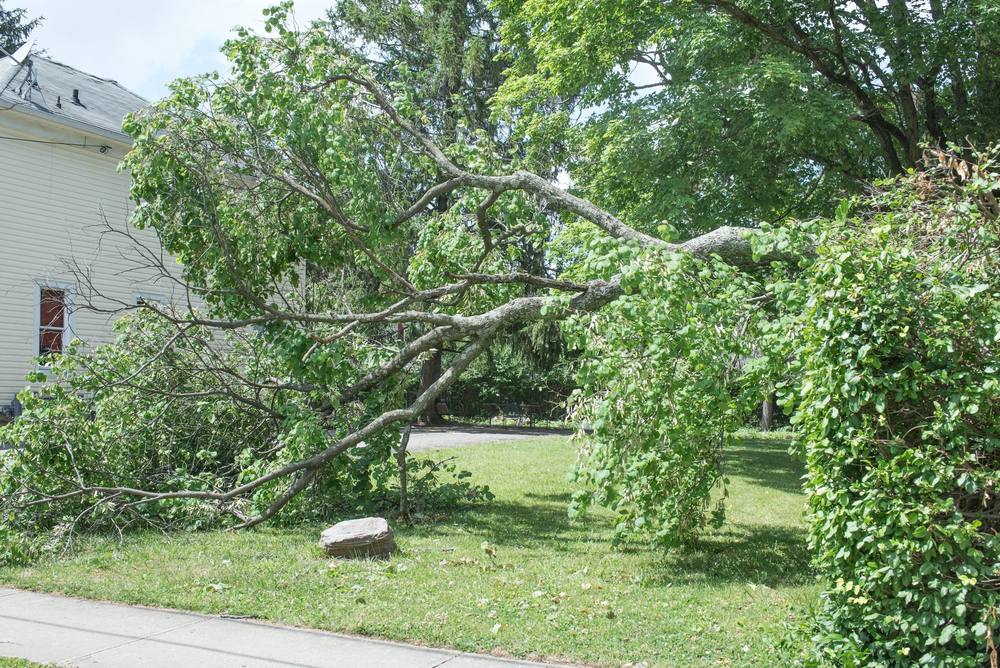
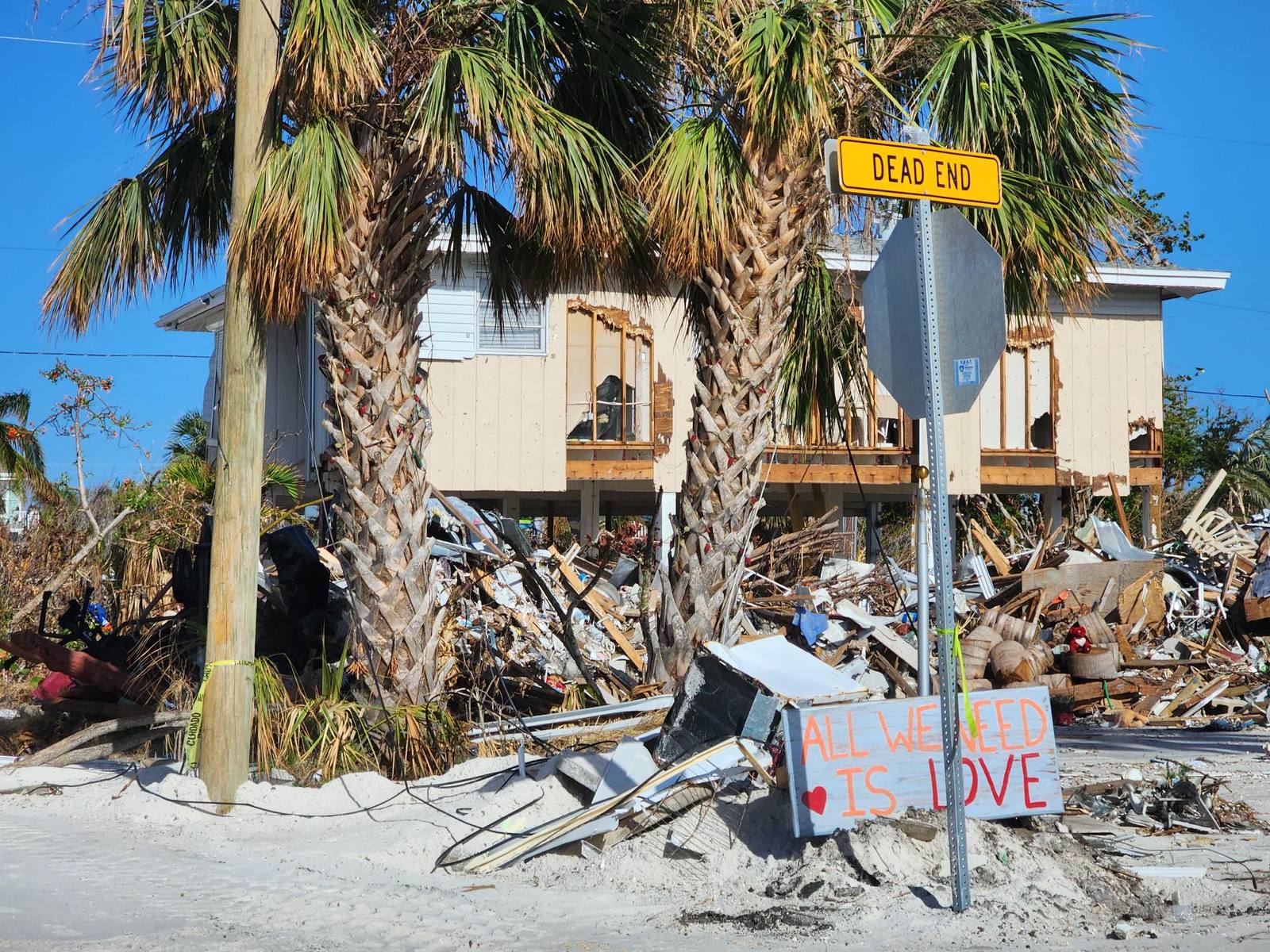
This is the single most important step. Before you remove a single piece of debris or start temporary repairs, photograph and video everything — every room, every exterior wall, the roof (from the ground or a drone if you have one), the yard, and all damaged contents. Take wide shots for context and close-ups for detail. Keep damaged items until the claim is documented; don't haul them to the curb. Once cleanup begins, that evidence is gone, and "insufficient documentation" is one of the most common reasons carriers reduce payouts.
Step 3: Make temporary repairs — and keep every receipt
Florida policies require you to prevent further damage, so tarp the roof, board broken windows, and extract standing water. But only do what's necessary to stop the damage from spreading — don't begin permanent repairs yet. Save receipts for tarps, plywood, water extraction, generators, and any emergency lodging; these are reimbursable under most policies.
Step 4: Report the claim promptly and carefully
Notify your insurer as soon as it's safe. Florida law sets deadlines for hurricane claims, and delays give carriers a reason to question whether the damage came from the storm. When you report, stick to the facts — what happened and the general scope — and avoid guessing at causes or dollar amounts, since early estimates can anchor your claim low. Write down your claim number and the name of everyone you speak with.
Step 5: Understand your hurricane deductible
Hurricane and named-storm deductibles in Florida are usually a percentage of your dwelling coverage — commonly 2% to 5% — not a flat dollar amount. On a $400,000 home, a 2% deductible means $8,000 out of pocket before the insurer pays anything. Knowing this number keeps you from accepting an offer that barely clears your deductible and walking away short.
Step 6: Don't take the first offer at face value
The adjuster the insurer sends works for the insurer. Their estimate often misses hidden damage — water intrusion behind walls, compromised roof decking, code-required upgrades, and matching costs for tile or siding that's no longer manufactured. A fast, low first offer is a starting point for negotiation, not the final word.
Step 7: Consider a public adjuster
A public adjuster represents you, not the carrier. We re-inspect the property, document the full scope of loss, prepare the claim correctly, and negotiate directly with the insurance company. Many Florida homeowners recover significantly more than the carrier's first offer — and because public adjusters work on contingency, there's no fee unless we recover money for you. If your claim was already denied or underpaid, it can often be reopened with stronger documentation.
FAQs
How long do I have to file a hurricane claim in Florida?
Deadlines vary by policy and current law, but you should report as soon as possible. Waiting can jeopardize the claim by letting the insurer argue the damage wasn't storm-related.
Should I accept the insurance company's first offer?
Not before it's reviewed. First offers are frequently well below the true repair cost. A public adjuster can tell you what your claim is really worth.
What if my hurricane claim was denied?
A denial is often not the end. With thorough documentation and the right policy interpretation, many denied hurricane claims are reopened and paid.