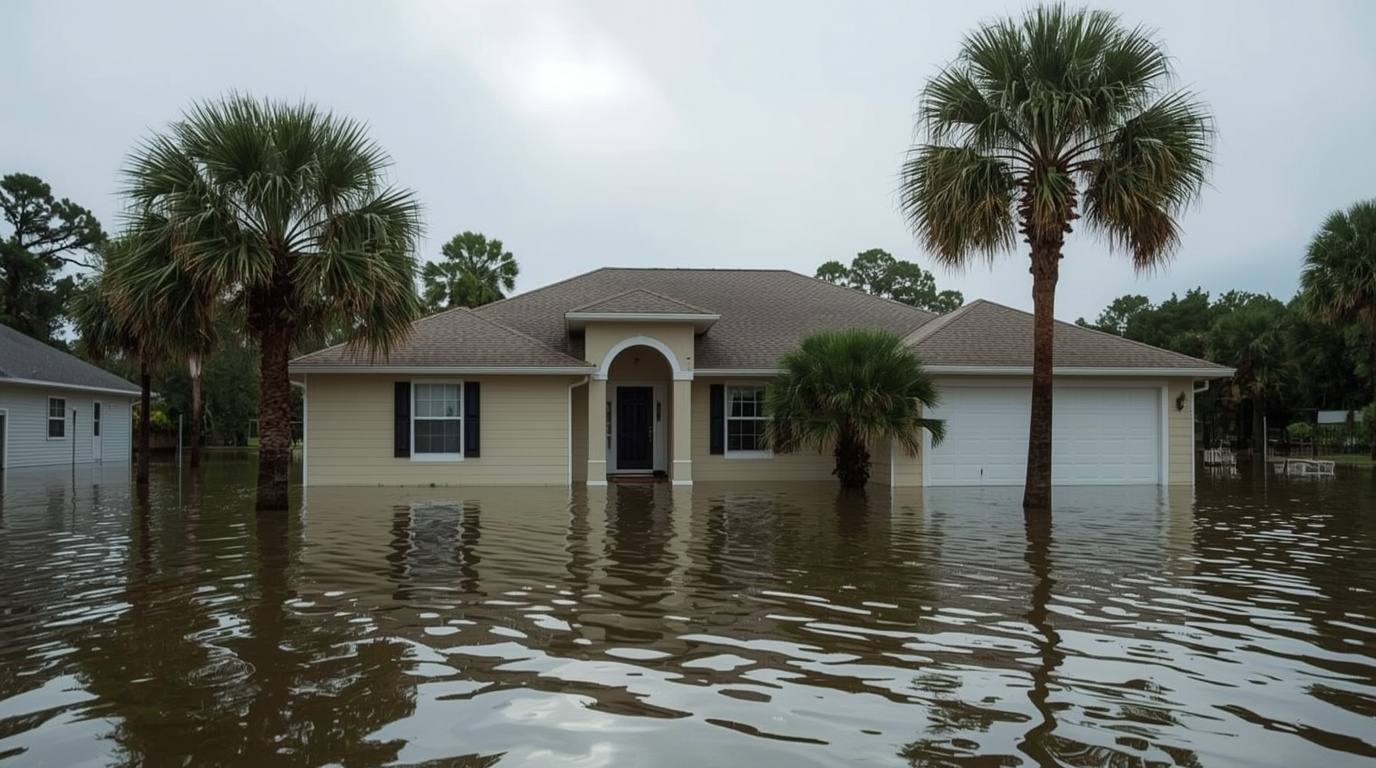
Florida floods more than any other state — from hurricanes and storm surge to heavy summer rain that overwhelms drainage. Yet flood claims trip up homeowners more than almost any other type of loss, because flood coverage works very differently from standard homeowners insurance. Here's what every Florida property owner should understand before the water rises.
Flood is usually NOT covered by homeowners insurance
This surprises people every season: a standard homeowners policy excludes flood. Coverage comes separately, through the federal National Flood Insurance Program (NFIP) or a private flood policy. If water entered your home from outside — rising water, surge, overflow — your homeowners policy likely won't respond, and the claim falls to your flood policy instead. Knowing which policy applies is the first step.
NFIP rules are strict — and deadlines are tight
Flood policies have their own requirements that catch homeowners off guard. You generally must submit a signed, sworn Proof of Loss within a set deadline after the flood, with detailed documentation of the damage. Miss the requirements and the claim can be reduced or denied regardless of how severe the loss was. The paperwork is unforgiving, which is exactly why so many flood claims are underpaid.
What flood policies pay — and what they don't
Flood coverage splits into building and contents, and the two are often insured at different limits. Many items in a basement or below the lowest elevated floor have limited or no coverage. Temporary living expenses are typically not covered under NFIP the way they are under a homeowners policy. Understanding these limits prevents nasty surprises mid-claim.
Document fast, before cleanup
Mold begins within 24–48 hours, so you'll need to start drying quickly — but document first. Photograph standing water and a high-water mark on the walls, capture every damaged item and building component, and keep samples of flooring and drywall where you can. Save receipts for pumps, dehumidifiers, and remediation.
Why flood claims get underpaid
Flood adjusters work fast across many homes after a major event and routinely miss covered items, undervalue contents, or misclassify building components. Because the policy language and Proof of Loss process are technical, homeowners often accept far less than they're owed simply because they don't know what to contest.
How People Claims helps with flood claims
People Claims reviews your NFIP or private flood policy, documents the structure and contents to the program's exact requirements, prepares the Proof of Loss correctly and on time, and appeals underpaid or denied flood claims. We work on contingency — no recovery, no fee.
FAQs
Does my homeowners policy cover flood damage?
Generally no. Flood is covered by a separate NFIP or private flood policy. Sudden internal water damage (like a burst pipe) may be covered by homeowners — rising outside water is not.
How quickly must I file a flood claim?
Report immediately, and be aware NFIP requires a signed Proof of Loss within a strict deadline. Don't wait — missing it can sink an otherwise valid claim.
Is mold from a flood covered?
It depends on the policy and whether you took reasonable steps to mitigate. Documentation tying the mold to the covered flood event is essential.